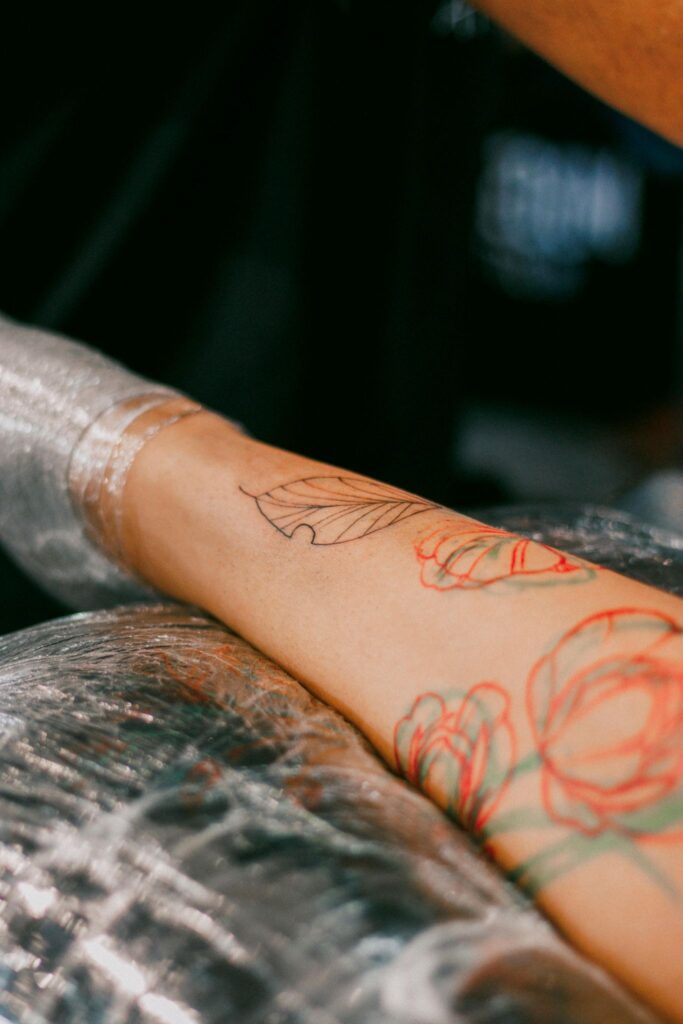
Not everyone who gets a tattoo needs numbing cream. Plenty of people sit through sessions without it and manage fine. But there are specific situations where using a numbing cream makes a genuine difference, not just to comfort but to the quality of the outcome. Knowing when it actually helps, and when it matters most, is more useful than a blanket recommendation either way.
TKTX numbing cream is one of the most widely used topical creams in the tattoo industry. It’s used by professional artists, cosmetic tattooers, and clients across Australia and internationally. The reason it comes up so consistently isn’t just marketing. The formula, applied correctly and at the right time, produces a reliable numbing effect that lasts long enough for most sessions. But like any tool, it works best when you understand the situations it’s genuinely suited to.
Getting Your First Tattoo And Not Knowing What To Expect
First-time tattoos sit in a particular category. You have no reference point. You don’t know how you’ll respond to the sensation, how your body handles extended discomfort, or whether the area you’ve chosen is going to be more painful than you anticipated.
Some people discover they handle it easily. Others find the experience more intense than expected, tense up through the session, need more breaks than the artist planned for, or feel anxious enough that the whole thing becomes stressful rather than enjoyable.
Using numbing cream for a first tattoo takes the unknown out of the equation. You’re not managing surprise discomfort on top of everything else that’s new about the experience. The session feels more controlled, you’re more relaxed, and the artist has a steadier surface to work on. For someone who already has reservations about pain, that combination makes a real difference to how the day goes.
There’s also a practical benefit. When clients aren’t fighting through discomfort, they’re less likely to move unexpectedly or request extra breaks. That lets the artist work at a consistent pace, which is better for the quality and continuity of the piece. A first tattoo that goes smoothly is also far more likely to lead to a second one.
Long Sessions Where Fatigue And Pain Compound Each Other
Short tattoos, under an hour or so, are one thing. Long sessions are a different experience entirely. What starts as manageable discomfort after twenty minutes can become significantly harder to tolerate at the three or four hour mark. Pain fatigue is real. The body’s ability to cope with sustained discomfort decreases over time, and what felt fine at the start of a session feels considerably worse toward the end.
This is where a numbing cream that lasts four to six hours does something a short-acting product can’t. The TKTX Black 75% formula is designed for exactly this kind of situation. Applied correctly about an hour before the session starts, it provides effective numbing through the bulk of a long sitting without wearing off at the point where pain tolerance is already depleted.
For sleeves, back pieces, large thigh or chest work, or any multi-hour session, that sustained coverage changes the character of the whole day. The artist can keep working at a consistent pace without the natural pauses that come when a client needs time to recover from a particularly difficult stretch. The client arrives home tired but not wrecked. That’s a meaningful difference for anyone who has sat through a long session without numbing.
Reapplication is possible if a session runs beyond the effective window, though it needs to be handled carefully and with the artist’s awareness. Applying to skin that’s already been worked on is a different situation from applying to intact skin beforehand.
Particularly Painful Placement Areas
Tattoo pain varies significantly by location. Some areas of the body are consistently more painful than others, regardless of the individual’s general pain tolerance. Knowing which areas fall into that category helps people make an informed decision about whether to use numbing cream for a specific piece.
The ribs are one of the most frequently cited painful areas. The skin is thin, sits directly over bone, and the movement of breathing during a session adds an ongoing physical dimension to the discomfort. Similarly, the inner arm, the inner elbow, behind the knee, the ankle and foot, the spine, and the sternum are all areas where nerve density, thin skin, or proximity to bone makes the experience noticeably more intense than fleshier parts of the body.
Facial tattoos and cosmetic tattooing, including eyebrow work, lip tattooing, and eyeliner, involve repeated needle passes over skin that is already highly sensitive and close to sensory-rich areas. Most professional cosmetic tattooers consider numbing cream standard practice for this category of work, not optional.
For anyone booking work in one of these areas, particularly if it’s a first experience in that location, the case for numbing cream is stronger than for a fleshy, less nerve-dense placement like the upper arm or thigh.
Anxiety And Psychological Response To Pain
Pain isn’t purely physical. Anticipation, anxiety, and the stress response all affect how discomfort registers. Someone who arrives at a session tense and anxious will typically find the experience more painful than someone who is relaxed and confident. The psychological dimension of pain is well established and practically relevant for tattooing.
Numbing cream addresses the physical side of the experience. It doesn’t eliminate anxiety entirely, but removing most of the pain removes the primary source of that anxiety for many people. A client who knows the discomfort is significantly reduced arrives in a different mental state than one who is bracing for sustained pain. That difference shows in how the session goes.
For people who’ve had difficult previous experiences with tattoo pain, for those who have a generally low pain threshold, or for anyone whose anxiety about the process is significant enough to make them consider cancelling, using numbing cream is a practical response rather than a compromise.
Why The Quality And Authenticity Of The Product Matters So Much
The numbing cream market has a counterfeiting problem. Products that look identical to genuine TKTX numbing cream, same packaging, same colour coding, same labelling, are sold online at low prices and contain either the wrong concentrations of active ingredients or no effective ingredients at all. A counterfeit product applied an hour before a session, with someone lying on the table expecting numbness that never arrives, is a frustrating and avoidable outcome.
Genuine TKTX products are sealed with a hologram sticker that verifies authenticity. The hologram is a physical marker that counterfeits typically don’t replicate correctly. Buying from an Australian stockist rather than an unverified overseas seller removes the guesswork. You know the product arriving is the real formula, not a convincing replica.
This matters particularly in the tattoo context because the product is being applied to skin that’s about to be repeatedly punctured. A reaction from an unlisted ingredient in a fake product creates a problem that’s much harder to manage once the session has started.
Getting The Application Right
The product only works as intended when it’s applied correctly. Timing is the variable that most people underestimate. Applying numbing cream too close to the appointment gives the active ingredients insufficient time to penetrate the skin and reach the nerve endings below the surface.
The standard approach is to apply a thick, generous layer to clean, dry skin approximately one hour before the session. Cover the area with cling wrap after application to prevent the cream from drying out and to encourage deeper absorption. Keep the area still and at room temperature during the wait period. Remove the cream cleanly about five minutes before the appointment, ensuring the skin surface is fully clear before the artist begins.
Thin application reduces effectiveness. A layer that’s barely visible on the skin hasn’t been applied with enough volume to produce full numbing depth. The coverage should be clearly visible before the cling wrap goes on.
Skin type, area of the body, and individual physiology all affect how completely the numbing works. Most people experience significant reduction in pain. A small number find it less effective due to skin characteristics. Going in with realistic expectations, significant reduction rather than total elimination of sensation, means the experience aligns with what the product actually delivers.