
Introduction
Creating original manga characters is an exciting part of storytelling, but it can also be challenging. Every character needs a unique appearance, personality, background, and purpose in the story. From designing expressive faces to choosing clothing, hairstyles, and special abilities, each detail helps bring a fictional world to life. For beginners and experienced creators alike, developing these ideas can take time and careful planning. This is where an AI manga creator can provide a useful starting point for the creative process.
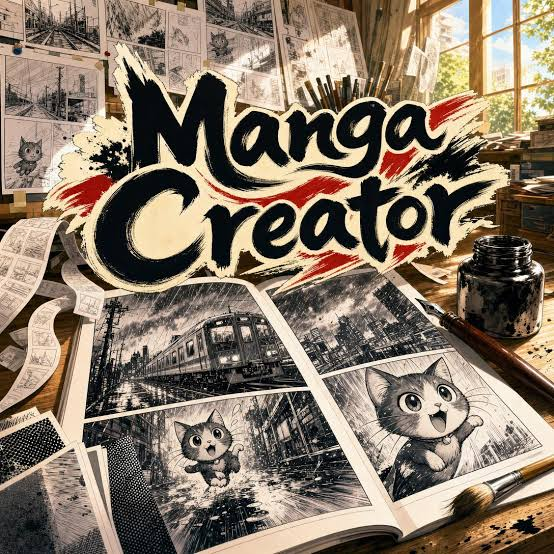
Jenova offers a focused way to explore manga concepts through its Manga Creator agent. It supports conversations about character development, visual direction, story ideas, and sequential storytelling. Instead of beginning with a blank page, creators can use AI-assisted discussions to organize their thoughts and explore different creative possibilities. Whether someone is planning a fantasy adventure, a school-life manga, or a science fiction story, Jenova can help turn early ideas into a more structured development process. The goal is not to replace human imagination but to give creators a practical way to shape their ideas into original characters and engaging stories.
Understanding Original Character Design in Manga
Original character design is about much more than creating an attractive illustration. A memorable manga character should communicate something about the story through appearance, behavior, and personal motivations. For example, a quiet student with carefully arranged clothing may suggest a reserved personality, while a bold warrior with worn armor can hint at years of difficult experiences. Facial expressions, body language, accessories, and color choices can all help readers understand a character before the dialogue explains everything. When these visual elements work together, characters become easier to recognize and more interesting to follow.
An AI manga creator can help writers explore these design choices by turning broad ideas into focused creative discussions. On Jenova, the Manga Creator agent provides a starting point for considering character traits, visual styles, and narrative roles. A creator might begin with a simple concept, such as a young inventor who discovers a mysterious power, and then explore the character’s appearance, strengths, weaknesses, and personal goals. This process helps organize scattered thoughts into a clearer character concept. By considering both visual design and personality, creators can build characters who feel connected to their fictional worlds rather than existing only as attractive drawings.
Exploring Different Character Styles With Jenova
Manga includes many artistic styles, ranging from lighthearted comedy and colorful fantasy to dramatic action and atmospheric mystery. Each style creates different expectations for character design. A comedy character may benefit from exaggerated facial expressions and playful proportions, while a serious fantasy protagonist may need detailed clothing, distinctive accessories, and a strong visual silhouette. Science fiction characters might feature futuristic uniforms, mechanical equipment, or unusual materials. Exploring these options early can help creators decide how their characters should look and how their appearance supports the intended mood of the story.
Jenova’s Manga Creator agent offers a focused environment for discussing these visual directions and comparing creative possibilities. Users can describe a character’s age range, personality, role, setting, and preferred manga style to establish a clearer design brief. For instance, a creator developing a futuristic detective could explore several approaches, including a practical streetwear design, a high-tech uniform, or a more traditional outfit with subtle technological details. Each direction can suggest a different personality and atmosphere. These discussions help creators make deliberate choices instead of selecting visual details without considering their purpose. The final design should reflect the creator’s own preferences and the needs of the story.
Building Deeper Personalities and Character Backstories
Strong character design combines visible features with an interesting inner life. A character may have a recognizable hairstyle or distinctive clothing, but readers are more likely to remain interested when that character also has meaningful goals, fears, relationships, and personal challenges. A hero who struggles with self-doubt may behave differently from a confident rival, even when both characters share similar abilities. These differences create opportunities for conflict, humor, emotional growth, and unexpected decisions. A well-developed backstory also explains why a character acts in a certain way without forcing the story to reveal every detail immediately.
Using an AI manga creator as a brainstorming partner can make this stage more organized. With Jenova, creators can explore questions about a character’s past, motivations, relationships, and future development through a structured conversation. For example, a young mage might want to protect a village but fear losing control of an unusual power. This simple conflict can influence the character’s expressions, clothing choices, relationships, and decisions throughout the manga. Creators can also examine how a character changes after major events. By connecting personality, history, and appearance, they can develop original characters who have believable reasons for their actions and clear opportunities to grow.
Connecting Character Design With Manga Storytelling
Character design becomes more effective when it supports the larger narrative. A character’s appearance can introduce important information, establish relationships, or hint at future events. A damaged pendant might represent a lost family connection, while a change in clothing could reflect a character’s growing confidence. In manga, these details become especially valuable because storytelling depends on the relationship between images, dialogue, panel composition, and pacing. Consistent visual features also help readers recognize characters across different scenes, action sequences, and emotional moments. Good design therefore requires both creativity and an understanding of how readers experience a story from panel to panel.
Jenova’s Manga Creator agent is designed to support exploration of sequential storytelling alongside character and story concepts. Creators can discuss how a character should appear in an opening scene, how expressions might change during a confrontation, or how a visual detail could become important later in the plot. These conversations can help connect individual character ideas with the manga’s overall direction. For example, a seemingly ordinary wristband might become a meaningful object after the protagonist discovers its connection to an old mystery. Planning such details early can improve continuity and give readers a reason to pay attention to visual clues. The creator remains responsible for deciding which ideas fit the narrative and how they should appear in the finished work.
Improving the Creative Process With AI-Assisted Planning
Developing an original manga character often involves repeated experimentation. A first concept may have an interesting appearance but lack a clear motivation, or a detailed backstory may not fit the intended genre. Reviewing these elements together helps creators identify weaknesses before investing significant time in final artwork. AI-assisted planning can make brainstorming more manageable by giving creators a place to compare ideas, refine descriptions, and consider alternative directions. It can also help beginners learn how to communicate creative goals more clearly, especially when they are still discovering their preferred manga style or storytelling approach.
To get useful results from Jenova, creators should provide specific information rather than relying on vague prompts. Describing a character’s role, personality, setting, emotional conflict, and visual influences can create a stronger foundation for discussion. It is also helpful to review suggestions critically, adjust details that feel too familiar, and combine useful ideas with personal inspiration. AI-generated concepts should be treated as starting points rather than finished creative decisions. Creators should also check relevant usage terms before publishing or commercializing AI-assisted work and take care to develop distinctive designs rather than copying recognizable characters from existing manga. This thoughtful approach helps preserve originality while making the development process more focused and productive.
Conclusion
Original character design is one of the most rewarding parts of creating manga because it combines visual creativity with personality, emotion, and storytelling. Every decision, from a character’s clothing to their personal struggles, can help build a more believable fictional world. An AI manga creator offers a practical way to explore these choices, organize early ideas, and consider different approaches before moving into detailed artwork and sequential storytelling.
Jenova provides a focused starting point through its Manga Creator agent, supporting discussions about original characters, story concepts, visual direction, and manga development. By using clear prompts, reviewing suggestions carefully, and adding their own creative judgment, writers and artists can develop concepts that better reflect their vision. AI-assisted planning works best when it supports rather than replaces human creativity. With thoughtful preparation and a commitment to originality, creators can use Jenova to explore fresh character possibilities and build a stronger foundation for their next manga project.