
Your internet speed matters less than you think if your router creates bottlenecks. Many households pay for premium internet packages but experience sluggish connections because their routers can’t handle the throughput. Choosing the right router transforms your online experience by unlocking the full potential of your service plan.
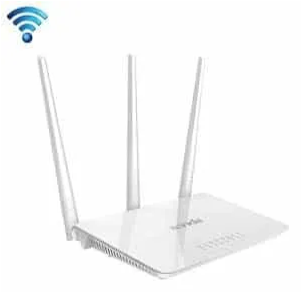
A Tenda wifi router gives you reliable connectivity when matched correctly to your internet speed tier. The router acts as the gateway between your modem and devices, distributing bandwidth across your network. If the router specifications fall short of your plan’s capabilities, you’re essentially wasting money on speed you’ll never actually access or utilize effectively.
Understanding Speed Tiers and Router Requirements
Basic Plans Demand Basic Hardware: Internet plans under 100 Mbps work fine with entry-level routers featuring single-band capabilities. These plans typically serve smaller households with limited simultaneous device usage. You don’t need advanced features for basic browsing and email tasks. A straightforward router delivers adequate performance without unnecessary costs at this tier.
Mid-Range Plans Need Dual-Band Support: Plans between 100-500 Mbps require dual-band routers operating on both 2.4GHz and 5GHz frequencies. The 5GHz band offers faster speeds for nearby devices while 2.4GHz provides better range for distant connections. This configuration prevents network congestion when multiple people stream videos simultaneously. Bandwidth allocation becomes critical at this level to maintain consistent speeds.
Premium Plans Require High-Performance Equipment: Internet speeds above 500 Mbps demand routers with gigabit Ethernet ports and advanced processing power. Your router must handle substantial data throughput without creating lag or dropped connections. Premium plans often include fiber connections that deliver symmetrical upload and download speeds. Budget routers simply cannot process this volume efficiently.
Device Load and Network Management Features
Single User Versus Multi-Device Households: A household with five devices needs different router capabilities than one supporting twenty connected gadgets. Each device consumes a portion of available bandwidth regardless of active use. Smart home devices, streaming boxes, smartphones, and laptops all compete for network resources. Your router must efficiently distribute connections to prevent performance degradation across the network.
MU-MIMO Technology Matters for Busy Networks: Multi-User Multiple Input Multiple Output allows routers to communicate with several devices simultaneously rather than sequentially. Traditional routers create queues where devices wait their turn for data packets. This technology particularly benefits homes where family members stream, game, and work remotely at the same time. Look for these specific benefits:
- Reduced latency for online gaming sessions that demand consistent low-ping connections without interruptions from other household activities.
- Smoother video conferencing experiences without frozen screens or audio dropouts even when others stream entertainment content simultaneously.
- Better performance for smart home devices that constantly communicate with cloud servers for automation and monitoring functions throughout the day.
Bandwidth Allocation Prevents Bottlenecks: Routers with Quality of Service (QoS) settings let you prioritize specific devices or applications over others. You can ensure work video calls receive bandwidth priority over background downloads. Gaming traffic gets precedence during competitive matches while file uploads happen at lower priority. This intelligent traffic management prevents any single application from monopolizing your entire connection.
Matching Router Capabilities to Your Actual Needs
Calculate Your True Speed Requirements: Start by testing your actual internet speeds during peak usage hours rather than trusting advertised speeds. Your ISP might promise 300 Mbps but deliver 250 Mbps during evening hours. Choose a router that handles your real-world speeds with overhead capacity for future upgrades. This approach prevents buying excessive hardware you don’t need right now.
Consider Coverage Area Before Speed: Router speed means nothing if signal strength drops significantly in distant rooms. A slower router with better antennas often outperforms a faster model with weak coverage. Measure your space and identify dead zones before selecting equipment. Multi-story homes or buildings with thick walls need routers with stronger transmission power.
Future-Proof Within Reason: Technology evolves rapidly but buying the most expensive router available wastes resources. Select equipment one tier above your current needs to accommodate reasonable growth. If you currently have 200 Mbps internet, a router supporting up to 500 Mbps provides adequate headroom. Ultra-premium routers designed for gigabit speeds offer no practical benefit for standard home connections.
Common Router Selection Mistakes to Avoid
Ignoring Wireless Standards Creates Compatibility Issues: Older routers using outdated wireless standards limit your devices’ performance even with fast internet plans. Modern devices support Wi-Fi 5 and Wi-Fi 6 standards that offer significant speed improvements over previous generations. Your router should match or exceed the capabilities of your newest devices. Mixing incompatible standards forces everything to operate at the slowest common denominator.
Overlooking Security Features Exposes Your Network: Basic routers lack robust security protocols that protect your personal data from unauthorized access attempts. Look for WPA3 encryption support and automatic firmware update capabilities. Guest network functionality isolates visitors from your main devices and sensitive files. Regular security patches address newly discovered vulnerabilities that hackers exploit.
Focusing Only on Price Leads to Disappointment: The cheapest router rarely delivers satisfactory long-term performance regardless of your internet plan. You might save money initially but face constant disconnections that require eventual replacement. Balance cost against features and reliability ratings from verified purchasers. A moderately priced router outperforms an ultra-budget option that fails within months.
Conclusion
The right router transforms your internet experience by eliminating unnecessary frustrations and maximizing your plan’s value. Matching router specifications to your actual speed tier prevents both overspending and underperformance. Take time to assess your household’s device count, usage patterns, and coverage needs. Compare these requirements against available models to find the optimal balance. Ready to upgrade your network? Explore router options designed for your specific internet plan today.