
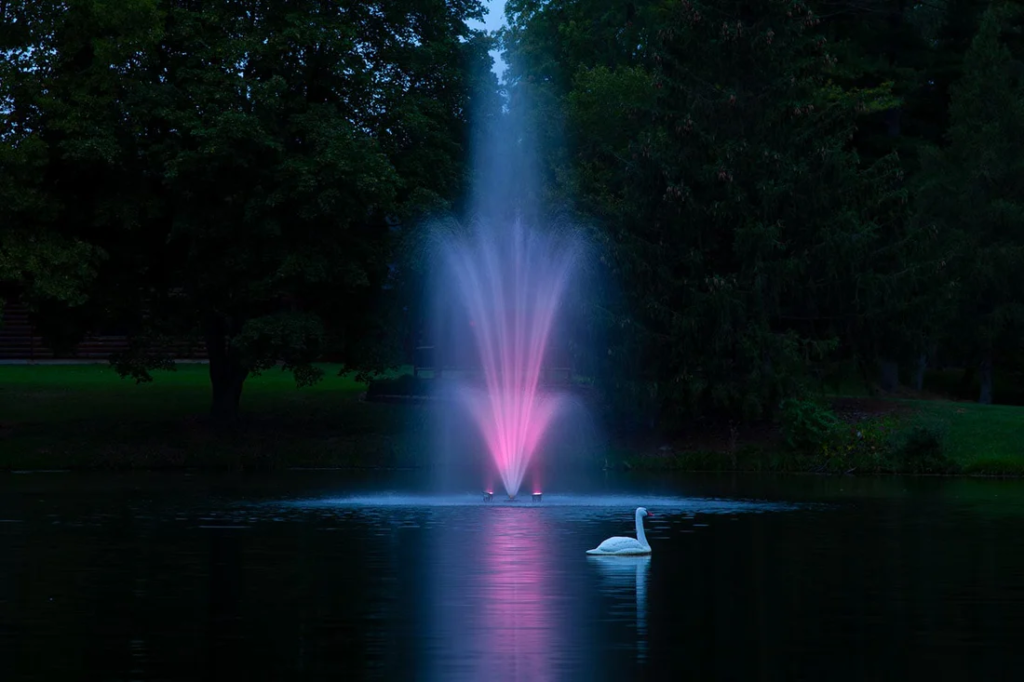
Outdoor spaces transform into stunning visual attractions when pond fountains meet strategic lighting design. Property owners and venue managers can create photogenic environments that capture attention on social media platforms. Water features paired with thoughtful illumination produce dramatic effects that can enhance the appeal of any property. This approach works for resorts, event venues, residential estates, and commercial properties seeking standout aesthetics.
Visual appeal drives engagement in outdoor design. Scott Pond fountains offer reliable performance for creating water displays that photograph beautifully at different times of the day. The combination of moving water and controlled lighting produces reflections and motion that translate well to photography. Property managers find these installations attract visitors and generate organic social media content. The right setup encourages guests to capture and share images.
Understanding Light Behavior Around Water Features
Reflection Dynamics: Water surfaces act as natural mirrors that double the visual impact of lighting installations. Smooth water reflects light sources clearly, while moving water creates dynamic patterns. The angle between light source and viewer determines reflection quality. Positioning lights at 30 to 45 degrees from the fountain creates balanced reflections without harsh glare. This setup produces images with depth and dimension.
Color Temperature Selection: Light color affects mood and photograph quality. Warm white lights (2700-3000K) create inviting, sunset-like atmospheres perfect for evening photography. Cool white lights (5000-6600K) produce crisp, modern aesthetics that highlight water clarity. RGB color-changing systems allow flexibility for different events or seasons. Consider the surrounding landscape when choosing colors for best visual results.
Ambient Light Integration: Natural light changes throughout the day affect how fountain lighting appears. Photometric planning helps predict how installations will photograph during golden hour, twilight, and full darkness. Morning light creates soft backgrounds, while sunset provides dramatic color contrasts. Night photography requires stronger light output to compete with darkness. The transition period between natural and artificial light often produces striking images.
Strategic Fountain Positioning for Visual Impact
Height and Scale Considerations: Taller spray patterns create vertical interest that draws the eye upward in photographs. Fountains reaching 15 to 25 feet high produce impressive visuals without overwhelming smaller ponds. Multiple spray nozzles at varied heights add complexity to compositions. The relationship between fountain height and pond size matters for balanced aesthetics.
Background and Foreground Elements: The area surrounding a fountain affects photograph quality as much as the fountain itself. Clean sightlines without cluttered backgrounds produce professional-looking images. Strategic landscaping frames water features naturally. Trees, shrubs, and architectural elements can enhance or detract from compositions. Consider sight lines from multiple angles since social media users photograph from various positions.
Distance and Viewing Angles: The optimal viewing distance varies based on fountain size and spray height. Photographers typically position themselves 1.5 to 2 times the fountain height away for full composition shots. Closer angles capture water detail and light refraction patterns. Wider angles showcase the fountain within its landscape context. Multiple viewing zones around the pond provide diverse photography opportunities.
Lighting Techniques That Photograph Well
Uplighting for Drama: Placing lights beneath or near fountains creates dramatic uplighting effects that emphasize water movement. Submersible lights installed in the pond illuminate spray patterns from within. This technique works particularly well for nighttime photography. The water becomes luminous, creating ethereal effects that capture attention. Uplighting also reduces harsh shadows across the display.
Accent Lighting Layers: Multiple light sources at different intensities create depth in photographs. Primary lights illuminate the fountain directly while secondary lights provide ambient fill. Edge lighting along pathways or landscape features guides viewers toward the main attraction. This layered approach prevents flat, one-dimensional images. Professional photographers appreciate installations with varied lighting zones they can capture from different angles.
Shadow Management: Controlling shadows prevents distracting dark spots in photographs. Cross-lighting from multiple angles fills unwanted shadow areas without eliminating dimension entirely. Some shadow depth adds realism and prevents overlit, washed-out appearances. Balance between illumination and natural darkness creates visual interest. Testing shadow patterns at different times helps refine light placement.
Dynamic Lighting Programs: Color-changing and programmable lighting systems offer variety that keeps content fresh. Different color schemes suit different seasons or events. Consider these options for programmable lighting:
- Seasonal color palettes that reflect holidays or natural changes throughout the year.
- Time-based programs that adjust intensity and color temperature as daylight fades.
- Event-specific settings for weddings, parties, or corporate gatherings.
- Subtle transitions that create movement in long-exposure photography.
Maintenance Considerations for Consistent Visual Quality
Water Clarity Requirements: Murky or discolored water ruins otherwise perfect lighting setups. Regular maintenance keeps water clear enough to transmit light effectively. Filtration systems and proper circulation prevent algae growth that clouds photographs. Clean water allows lights to penetrate fully, creating the intended visual effects. Property managers find that consistent water quality maintenance directly correlates with social media engagement.
Equipment Positioning and Adjustment: Light fixtures require periodic repositioning as plants grow or landscape elements change. Seasonal adjustments account for different water levels and fountain spray patterns affected by wind. Regular testing from various angles ensures the installation still photographs well. Professional maintenance schedules include visual checks from typical photography positions.
Conclusion
Property owners can create outdoor spaces that naturally attract social media attention through the installment of a strategic fountain and lighting design. The interplay between water movement, light placement, and careful positioning produces photographs that stand out in crowded feeds. Contact water feature specialists to assess your property’s potential for creating visually stunning installations that photograph beautifully.