
Virtual reality (VR) has rapidly evolved from a niche technology into a mainstream digital experience shaping industries worldwide. Whether you’re a gamer, a business owner, or simply curious about emerging tech, understanding VR is becoming increasingly valuable. Platforms like VRSpy offer insights, tools, and updates that help users stay informed about the latest developments in this immersive space. In this guide, we’ll explore what virtual reality is, how it works, its real-world applications, and practical tips to make the most of it.
What Is Virtual Reality?
Virtual reality is a computer-generated environment that simulates real or imagined worlds. By using specialized hardware such as headsets, motion controllers, and sensors, users can interact with 3D environments in a way that feels immersive and lifelike.
Unlike traditional screens, VR surrounds the user entirely, creating a sense of presence. This means you’re not just viewing content—you’re inside it.
How Virtual Reality Works
VR technology relies on several key components:
1. Head-Mounted Displays (HMDs)
Devices like Meta Quest, HTC Vive, and PlayStation VR provide visual immersion by displaying 3D images directly in front of your eyes.
2. Motion Tracking
Sensors track your head and body movements, allowing the virtual environment to adjust in real time.
3. Controllers and Input Devices
Handheld controllers or gloves let you interact with objects, enhancing realism.
4. Software and Content
Applications and games are designed using VR development platforms such as Unity or Unreal Engine.
Key Benefits of Virtual Reality
VR is not just about entertainment—it offers practical advantages across many fields:
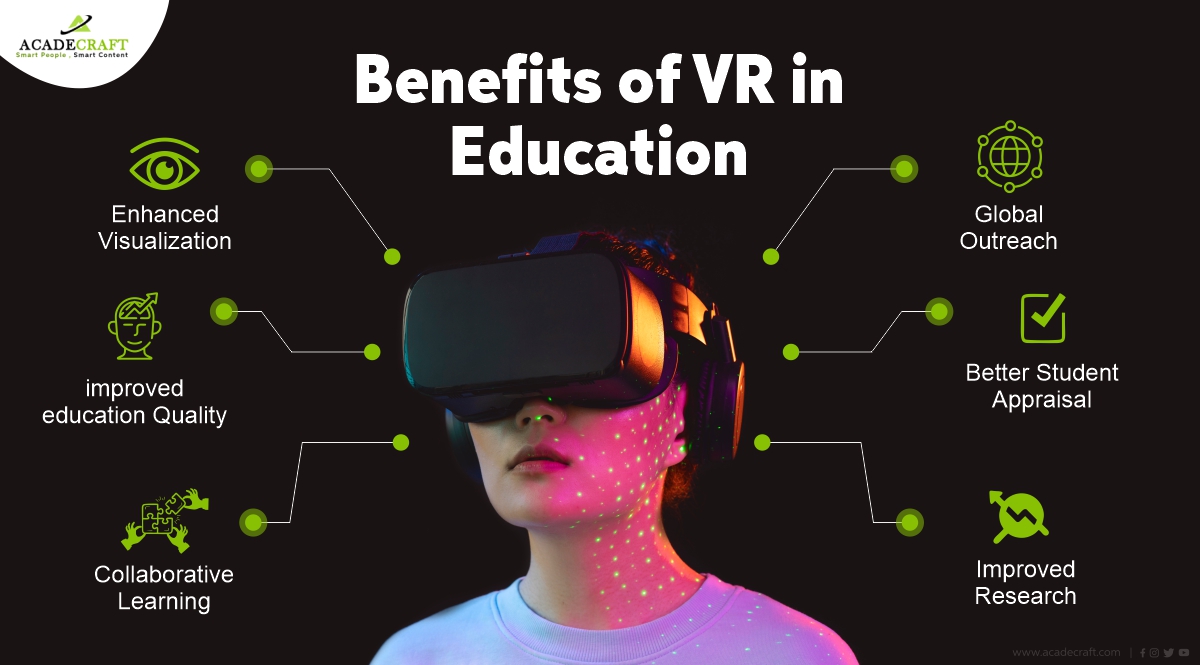
Immersive Learning
Students can explore historical sites, perform virtual science experiments, or practice complex skills safely.
Enhanced Training
Industries like aviation, healthcare, and manufacturing use VR simulations for risk-free training.
Improved Collaboration
Virtual workspaces allow remote teams to meet and interact as if they were physically present.
Mental Health Support
Therapists use VR for exposure therapy, stress relief, and mindfulness exercises.
Popular Applications of VR
1. Gaming and Entertainment
Gaming remains the most popular use of VR. Players can step inside their favorite worlds and interact with characters and environments in real time.
2. Education and E-Learning
VR transforms learning into an engaging experience. Imagine studying anatomy by walking through the human body or learning history by visiting ancient civilizations.
3. Healthcare
Doctors use VR for surgical training, patient rehabilitation, and therapy sessions.
4. Real Estate and Architecture
VR allows buyers to take virtual tours of properties, saving time and improving decision-making.
5. Business and Marketing
Companies use VR for product demonstrations, virtual showrooms, and immersive advertising campaigns.
Tips for Getting Started with Virtual Reality
If you’re new to VR, these tips will help you begin:
Choose the Right Headset
Start with a device that matches your budget and needs. Standalone headsets are great for beginners.
Create a Safe Play Area
Ensure you have enough space to move around safely.
Start with Beginner-Friendly Apps
Explore simple experiences before diving into complex simulations.
Take Breaks
VR can be intense, so rest your eyes regularly.
Stay Updated
Follow trusted sources to keep up with new releases and updates.
Challenges and Limitations
Despite its benefits, VR still faces some challenges:
High Costs
Advanced equipment can be expensive, although prices are gradually decreasing.
Motion Sickness
Some users experience discomfort during extended sessions.
Content Availability
While growing, VR content libraries are still smaller compared to traditional media.
Technical Requirements
High-quality VR often requires powerful hardware.
Future of Virtual Reality
The future of VR looks promising, with advancements in hardware, software, and connectivity driving innovation. Here are some trends to watch:
Wireless and Lightweight Devices
Next-generation headsets are becoming more comfortable and portable.
Integration with AI
Artificial intelligence will enhance interactions and create smarter virtual environments.
Metaverse Development
VR plays a key role in building interconnected virtual worlds for socializing, working, and entertainment.
Improved Accessibility
As technology evolves, VR will become more affordable and widely available.
How VR Is Changing Everyday Life
Virtual reality is no longer limited to specialized industries. It is gradually becoming part of daily life:
- Virtual meetings replacing traditional video calls
- Online shopping with immersive product previews
- Fitness programs with interactive environments
- Social platforms where users interact as avatars
This shift indicates that VR is not just a trend—it’s a transformative technology reshaping how we interact with digital content.
Best Practices for Using VR Effectively
To maximize your VR experience:
Optimize Your Setup
Ensure proper lighting and sensor placement.
Keep Software Updated
Regular updates improve performance and security.
Use Quality Accessories
Comfortable straps, headphones, and controllers enhance immersion.
Monitor Usage Time
Avoid excessive use to prevent fatigue.
Final Thoughts
Virtual reality is revolutionizing the way we learn, work, and play. From immersive gaming to professional training and beyond, its applications continue to expand. As technology advances, VR will become an essential part of our digital lives, offering new opportunities for creativity, productivity, and connection.
To stay informed about the latest VR trends, tools, and innovations, exploring resources like vrspy.com can help you navigate this exciting and rapidly evolving field.