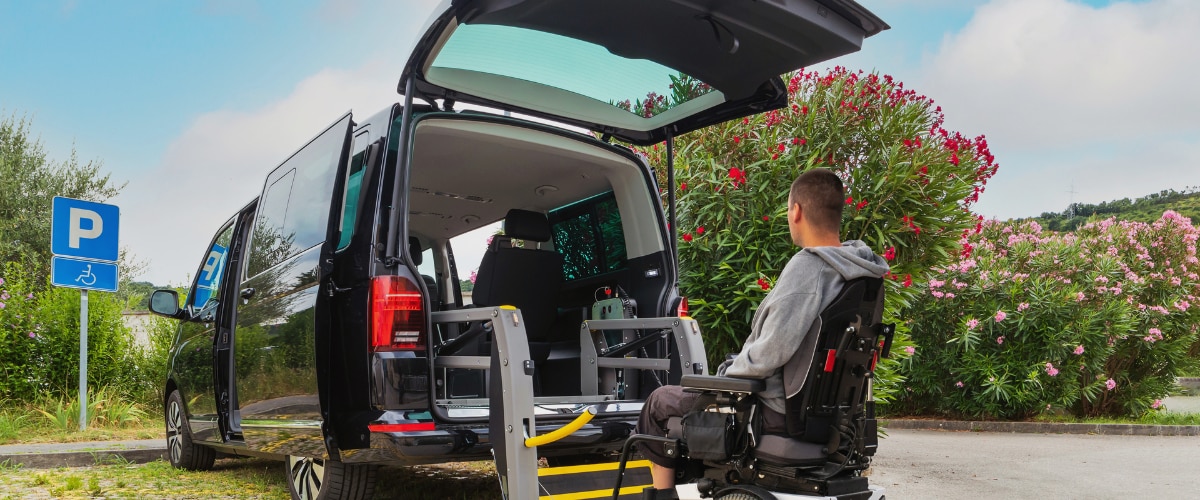

Accessible transportation plays a vital role in supporting independence, inclusion, and quality of life for people with mobility challenges. As awareness of accessibility needs continues to grow across Australia, more families, carers, businesses, and community organisations are investing in professionally converted vehicles that provide safe, practical, and comfortable transport solutions.
Modern van conversions are designed to accommodate a wide range of mobility requirements while maintaining comfort, safety, and everyday usability. Whether used for personal travel, healthcare services, or community transport, accessible vans help remove many of the barriers associated with conventional vehicles.
Supporting Greater Independence
One of the greatest benefits of a wheelchair-accessible van is the increased independence it provides. People who use wheelchairs or mobility aids can often travel more comfortably and confidently without needing complex transfers between their wheelchair and a standard vehicle seat.
This greater level of accessibility makes everyday activities such as attending medical appointments, visiting family, going to work, shopping, or participating in community events much easier.
Improved mobility also helps individuals maintain greater social connection and participation.
Safer Entry And Exit
Traditional vehicles can present significant challenges for people with limited mobility. Steep steps, narrow door openings, and confined cabin spaces may make entering or exiting a vehicle difficult or unsafe.
Professionally designed van conversions typically include features such as:
- Wheelchair ramps or lifts
- Lowered vehicle floors
- Wider door openings
- Secure wheelchair restraint systems
- Accessible seating configurations
These features help improve both safety and convenience during every journey.
Improved Comfort During Travel
Comfort is an important consideration for individuals who spend extended periods travelling.
Modern wheelchair van conversions Melbourne services often focus on creating spacious interiors that provide adequate room for wheelchair positioning while maintaining comfort for passengers and carers alike.
Additional headroom, climate control options, supportive seating, and thoughtful interior layouts all contribute to a more enjoyable travel experience.
Comfort can significantly improve confidence when travelling longer distances.
Supporting Families And Carers
Accessible vehicle conversions benefit not only wheelchair users but also family members and carers.
Loading mobility equipment manually into standard vehicles can be physically demanding and time-consuming. Purpose-built accessibility features reduce manual lifting, simplify transfers, and make everyday transport much more manageable.
Reducing physical strain can improve safety for both passengers and caregivers.
Customisation For Different Mobility Needs
No two individuals have identical mobility requirements. Professional conversion companies can often customise vehicles to suit specific medical equipment, wheelchair sizes, seating preferences, and daily usage requirements.
Depending on individual circumstances, modifications may include:
- Manual or automatic ramps
- Hydraulic lifts
- Flexible seating arrangements
- Additional storage for mobility equipment
- Hand controls for eligible drivers
Personalised solutions help maximise both comfort and functionality.
Safety Remains A Top Priority
Accessibility modifications must meet strict safety and engineering standards.
Professionally completed conversions are designed to ensure wheelchair restraint systems, occupant safety equipment, structural modifications, and accessibility features comply with relevant Australian safety requirements.
Proper installation helps provide confidence that both drivers and passengers remain protected during everyday travel.
Supporting Community And Commercial Transport
Accessible van conversions are increasingly used by healthcare providers, aged care organisations, disability service providers, schools, and community transport programs.
Purpose-built vehicles allow organisations to transport passengers safely while supporting inclusive services for people with varying mobility needs.
As accessibility expectations continue growing, adapted vehicles are becoming an essential part of many community transport fleets.
Long-Term Practical Value
Although vehicle conversion represents an important investment, many owners view the long-term benefits as outweighing the initial cost.
Improved independence, reduced reliance on assistance, easier daily travel, and greater participation in work, education, and social activities all contribute to long-term value.
Professionally converted vehicles are often designed to remain practical for many years as mobility needs evolve.
Helpful Related Mobility Research
Individuals and families may also benefit from exploring vehicle accessibility technologies for people with disabilities and adaptive driving solutions for improved independent mobility, as these topics provide broader insight into creating safer and more accessible transport experiences.
Final Thoughts
Van conversions have transformed accessible transport by making everyday travel safer, more comfortable, and more inclusive for people with mobility challenges. From improved independence and safer vehicle access to customised layouts and enhanced passenger comfort, professionally converted vans provide practical solutions that support a wide variety of personal and community needs.
As accessibility continues to become a greater priority across Australia, professionally designed wheelchair-accessible vehicles will remain an important part of helping individuals maintain independence, participate fully in everyday life, and travel with greater confidence and dignity.