
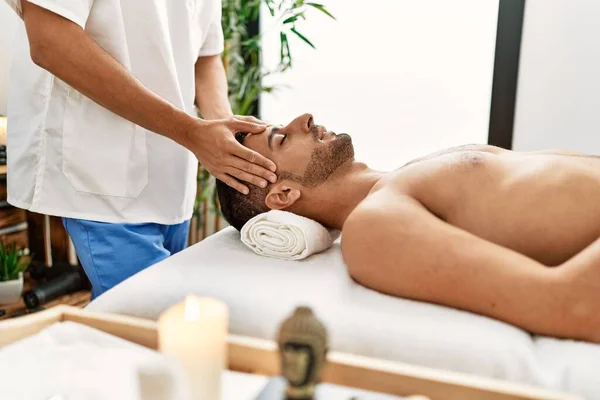
Maintaining good well-being involves more than exercise and nutrition. Rest, relaxation, emotional balance, and healthy daily routines are also important. In a busy environment, people may spend most of their time working, managing responsibilities, or using digital devices, leaving little opportunity to slow down.
Fortunately, wellness does not have to involve complicated changes. Simple habits practiced consistently can help create a more balanced lifestyle and provide opportunities to recharge.
Make Relaxation Part of Your Day
Relaxation gives the mind and body an opportunity to step away from everyday responsibilities. Even a short period of quiet time can make a busy day feel more manageable.
Reading, listening to music, taking a walk, practicing breathing exercises, or enjoying a quiet cup of tea are simple ways to create a relaxing routine. The important thing is to choose activities that feel comfortable and are easy to maintain.
Some people also explore professional wellness services as part of their personal relaxation routine. For individuals researching specialized options, tantric massage Singapore may be one of the services they encounter. When considering any wellness service, it is useful to understand the service beforehand and select a provider with clear information and professional standards.
Get Enough Quality Sleep
Sleep is essential for physical and mental well-being. A consistent sleep schedule can help the body establish a predictable rhythm and make it easier to feel rested during the day.
Creating a relaxing evening routine can support better sleep. Reducing screen use before bedtime, keeping the bedroom comfortable, and avoiding unnecessary distractions may help the mind prepare for rest.
People should also pay attention to persistent sleep problems. If difficulty sleeping continues or begins affecting normal activities, discussing the issue with a healthcare professional is appropriate.
Stay Active During the Day
Regular physical activity can support strength, flexibility, cardiovascular health, and general fitness. It does not necessarily require an intensive workout.
Walking, cycling, swimming, stretching, and other moderate activities can be incorporated into everyday life. People who spend many hours sitting can also benefit from taking regular movement breaks.
Starting with a realistic activity level makes it easier to develop a long-term habit. As fitness improves, people can gradually increase the duration or intensity of their activities.
Keep Your Body Hydrated
Water is an important part of a healthy routine. However, people can sometimes forget to drink enough when they are busy with work or other responsibilities.
Keeping water nearby can serve as a simple reminder. Hydration requirements differ from person to person and can depend on factors such as weather, activity levels, diet, and individual health needs.
In warm climates, people who spend significant time outdoors or exercise regularly may need to pay particular attention to fluid intake.
Choose Balanced Meals
A nutritious diet provides the body with the energy and nutrients required for normal daily functions. Healthy eating does not have to mean following complicated meal plans.
A balanced diet can include vegetables, fruits, whole grains, protein-rich foods, and healthy fats. Reducing excessive consumption of highly processed foods and sugary beverages can also be a useful step.
Small changes are often easier to maintain than extreme restrictions. Adding more vegetables to meals or replacing processed snacks with fresh fruit can gradually improve eating habits.
Consider Convenient Wellness Options
Convenience can make it easier to maintain a personal wellness routine. People with demanding schedules may prefer services that fit around their existing commitments.
An outcall massage is one example of a service designed around convenience, as the session can be arranged at a suitable private location rather than requiring the client to travel to a facility.
Before arranging any appointment, individuals should review the provider’s information, understand the available services, confirm pricing and policies, and make sure the arrangement is suitable for their personal preferences.
Manage Daily Stress
Stress is a normal part of life, but learning how to manage it can improve overall well-being. Simple techniques can be incorporated into a normal day without requiring significant time.
Deep breathing, short walks, journaling, stretching, and spending time away from digital devices can all provide useful breaks. Organizing tasks and prioritizing responsibilities may also reduce unnecessary pressure.
Social connections are another valuable part of emotional well-being. Spending time with friends and family can provide support and create opportunities to relax.
Take Breaks From Technology
Digital devices have become essential for work and communication, but constant screen exposure can make it difficult to disconnect.
Short breaks can provide an opportunity to move around and reset. During these periods, people can stretch, walk, talk with someone, or simply rest their eyes.
Creating a screen-free period before bedtime can also contribute to a calmer evening routine.
Develop Healthy Habits Gradually
Wellness does not need to be approached as an all-or-nothing goal. Trying to make too many changes at once can make a new routine difficult to maintain.
Instead, people can introduce one habit at a time. For example, starting with a short daily walk, improving sleep consistency, or drinking more water can provide a manageable foundation.
Once these habits become natural, additional changes can be introduced. Consistency is generally more valuable than short periods of extreme effort.
Listen to Your Body
Being aware of physical and emotional changes is an important part of maintaining personal well-being. Persistent pain, unusual symptoms, ongoing fatigue, or other concerns should receive appropriate attention.
Relaxation activities can complement a healthy lifestyle, but they should not replace medical evaluation when a health concern is present. Anyone experiencing persistent or concerning symptoms should consult a qualified healthcare professional.
Final Thoughts
A balanced lifestyle is built from many small choices. Adequate sleep, regular movement, nutritious food, hydration, stress management, and sufficient relaxation can all contribute to better overall well-being.
The most effective routine is one that fits naturally into everyday life. By making gradual improvements and setting aside time for rest, people can develop sustainable habits that support both physical comfort and mental balance.